
Introduction
Keeping floors clean is one of those household jobs that never really ends. Dust settles on hard floors, crumbs collect near the dining table, pet hair drifts into corners, and fine debris works its way into rugs. Because these messes come back so regularly, many households look for a vacuum cleaner that fits their space and routine instead of one that simply looks impressive on paper.
Compact upright vacuum cleaners have become a common choice for people who live in apartments, smaller homes, or houses where storage space is limited. A large machine can be difficult to store and awkward to carry up a flight of stairs. A smaller upright is designed to solve some of those practical problems while still covering everyday cleaning tasks.
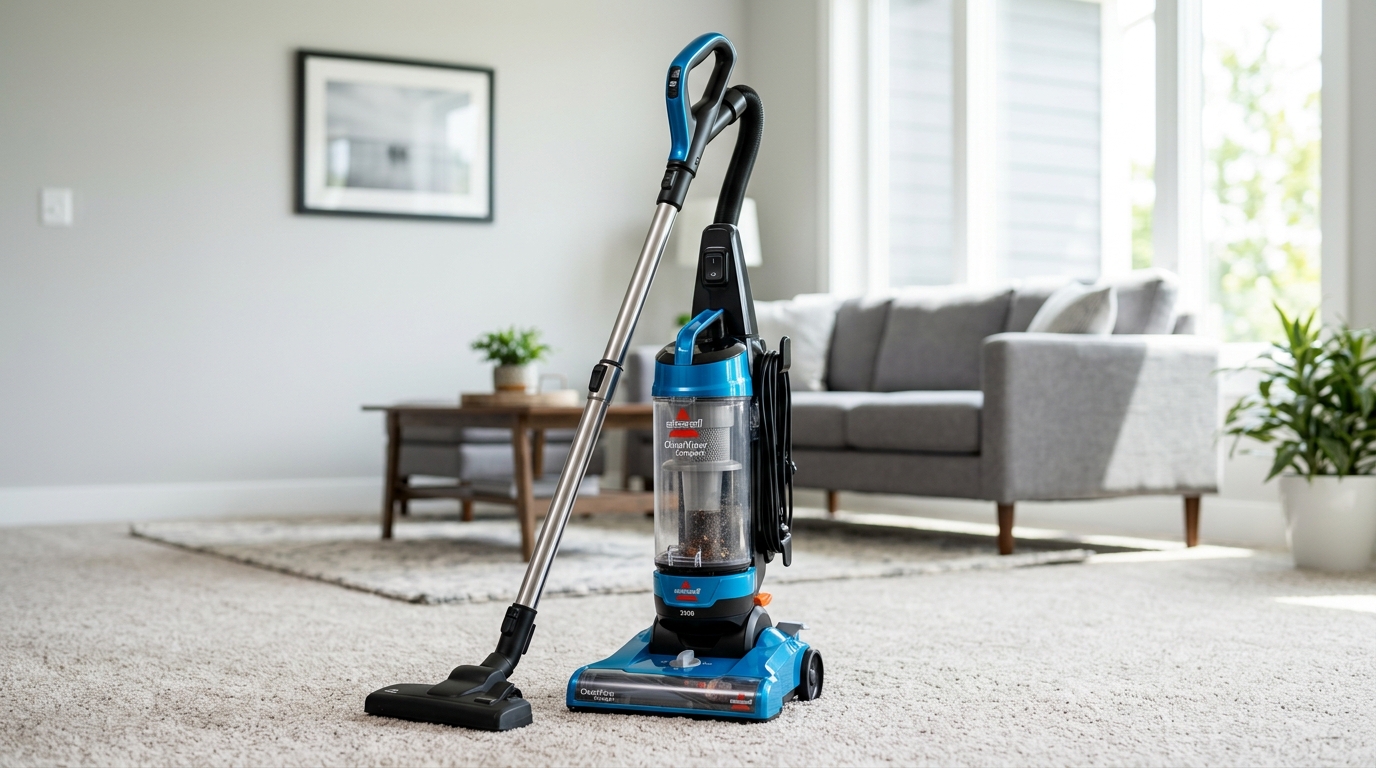
This guide looks at the Bissell CleanView Compact, Powerful Suction & Extension Wand, 3508 from an informational point of view. It explains what the product is, how its features are designed to work, what kinds of situations it may suit, and what a buyer might want to think about before deciding. The goal is not to push anyone toward a purchase. It is to give readers a clear, balanced picture so they can judge whether this style of vacuum matches their own needs.
Product Overview
The Bissell CleanView Compact 3508 belongs to the category of compact upright vacuum cleaners. An upright vacuum is a machine where the motor, dust container, and cleaning head sit together in one body, and the user pushes it across the floor using a handle. The compact designation suggests a smaller footprint than a full-sized upright, which may appeal to people who value easy storage and simple handling.
According to its title, the model is described as offering strong suction and includes an extension wand. That combination points to a vacuum built for two kinds of cleaning: regular passes over floors and rugs, and more targeted cleaning above or beside the floor, such as stairs, upholstery edges, or tight gaps. The extension wand is an accessory that allows the user to reach places the main cleaning head cannot easily access.
The purpose of a product like this is fairly straightforward. It is meant to help with routine household cleaning, the kind of weekly or even daily maintenance that keeps visible dust and debris under control. It is not designed as a specialized industrial machine, and it is best understood as a general household tool for everyday messes.
Who This Type of Vacuum Is Designed For
Compact uprights are often considered by:
- People living in apartments, condos, or smaller houses
- Households with a mix of hard flooring and area rugs
- Families who want a manageable machine for quick cleanups
- Students or first-time homeowners furnishing a space on a sensible budget
- Anyone who prefers a bagless design over replacing disposable bags
Since every household is different, the way these groups experience a vacuum will vary. What matters most is how well the machine matches the floors, the amount of debris, and the person using it.
Key Features
Understanding the features of a vacuum cleaner helps readers separate practical benefits from marketing language. Below is a plain-language explanation of the main features associated with this model and the type of value each one may offer.
Compact Upright Design
The most noticeable characteristic is the compact body. A smaller frame is designed to be easier to maneuver around furniture legs, into narrow hallways, and through doorways. It may also be simpler to store in a closet, laundry room, or corner without taking over the space.
For many people, this kind of design can make the difference between a vacuum that gets used regularly and one that stays tucked away because it feels like too much effort to bring out. A machine that is easy to grab may encourage quicker, more frequent cleaning sessions.
Suction Power
The product title highlights powerful suction, which is one of the main things many users look for. Suction is what pulls dust, crumbs, and lighter debris from the floor into the machine. In general, suction performance depends on several connected factors: the motor, the airflow path, the condition of the filter, how full the dust container is, and how well the cleaning head keeps contact with the surface.
It is worth remembering that suction on its own does not tell the whole story. A machine with strong airflow but a poorly designed cleaning head may still leave debris behind, while a well-balanced design may do better with more modest airflow. Readers should therefore treat any suction claim as one piece of a larger picture instead of a guarantee of results.
Extension Wand
The extension wand is a separate attachment that allows the vacuum to be used away from the floor. Depending on how it connects, it may make it possible to clean stairs, the edges of sofas, window sills, baseboards, or the area behind furniture. It can also help with ceiling corners or cobwebs when paired with a suitable tool, though this depends on the specific accessory set.
For a household that does not own a separate handheld vacuum, an extension wand can be a useful feature. It expands the range of tasks one machine can handle, which may reduce the need to buy additional cleaning equipment.
Bagless Dust Container
Many compact uprights in this category use a bagless system. Instead of a disposable bag, dirt is collected in a removable container that can be emptied into a trash bin. One possible advantage is that ongoing costs may be lower because there are no replacement bags to buy. Another is that users can see how full the container is and empty it when needed.
The trade-off is that emptying a bagless container can release some dust into the air, particularly if it is emptied carelessly. Many people find it helpful to empty the container slowly and close to the bin.
Multi-Surface Cleaning Head
Upright vacuums of this style generally include a cleaning head with a brush roll, which is designed to loosen dirt from carpet fibers and help lift hair and debris from various surfaces. Some models allow the brush roll to be switched off or adjusted for use on hard floors, which can help prevent scattering of larger particles. Readers who have a mix of carpet, rugs, and hard flooring may want to check how the brush roll behaves on each surface before deciding.
Filtration
Vacuum filters are designed to capture fine particles so they stay inside the machine instead of returning to the room. Depending on the specific design, filters may be washable or require periodic replacement. Filter care is often overlooked, yet it has a real influence on how consistently a vacuum works over time.
Materials and Design
Most vacuum cleaners in this category are built mainly from molded plastic, with a few metal or reinforced components in areas that require extra durability, such as the wand connection or internal fasteners. Plastic construction helps keep the machine lightweight, which is important for a compact upright meant to be carried and moved with ease.
Build and Structure
A lightweight body may be easier to lift up stairs or carry between rooms, but it also means that the quality of the plastic parts and the way they fit together matter. Readers who value long-term durability may want to pay attention to how the dust container locks into place, how sturdy the handle feels, and how securely the wand attaches.
Appearance
Compact uprights are typically designed with a simple, functional look. The color accents and panel shapes tend to be more about identification and clarity of controls than about decoration. Most people are likely to care more about whether the vacuum is easy to understand and operate than about how it looks, though a tidy design can matter if the machine will be stored in a visible area.
Cord and Power Supply
Machines in this style usually operate with a power cord instead of a battery. A corded design means that suction does not fade as a battery runs down, and there is no need to charge the machine before use. On the other hand, the cord limits movement, and users may need to switch outlets while cleaning larger areas. Before choosing a corded model, it helps to think about the layout of the home and where the outlets are located.
Performance
When discussing performance, it is important to be clear about what a product is intended to do instead of promising specific outcomes. This article does not rely on hands-on testing, and readers should treat performance information as a description of design intent, not a measured result.
What the Vacuum Is Designed to Do
The Bissell CleanView Compact 3508 is designed to pick up everyday household debris such as dust, crumbs, pet hair, and small particles from a range of floor types. The combination of suction, a rotating brush, and a compact body suggests that it aims to handle routine cleaning across rooms without demanding much effort or setup.
Factors That Influence Real-World Results
Actual results with any vacuum depend on several conditions:
- Floor type: Deep carpet, low-pile rugs, tile, and laminate all respond differently to the same machine.
- Type of debris: Fine dust, sand, large crumbs, and long hair each behave differently.
- Maintenance: A full dust container, clogged filter, or tangled brush roll can noticeably reduce effectiveness.
- Technique: Slower passes generally allow more thorough cleaning than rapid ones.
Because of these variables, two households can have different experiences with the same model. This is why it is more useful to think about whether the machine’s design matches your needs than to expect identical outcomes for everyone.
Noise and Handling
Vacuum cleaners produce noise as a natural result of motor operation and airflow. Compact uprights vary in how loud they sound, and personal sensitivity to noise differs. Someone living in a small apartment with thin walls may care about this more than someone in a larger house. Handling, meanwhile, is influenced by weight, handle position, and how smoothly the wheels roll on different floors.
Common Uses
A vacuum of this type is generally meant for everyday cleaning rather than specialized tasks. Here are some of the situations where people commonly use a compact upright with an extension wand.
Routine Floor Cleaning
The most obvious use is regular cleaning of living rooms, bedrooms, hallways, and dining areas. Weekly passes may help keep dust from building up, and quick sessions after meals can deal with crumbs before they spread.
Pet Hair and Household Debris
Homes with pets often need more frequent cleaning because hair collects on rugs, sofas, and along walls. A machine with a brush roll and an extension wand may help with both the floor and nearby surfaces, although the amount of effort required depends on the type of pet hair and the fabric involved.
Stairs and Tight Spaces
Stairs can be one of the more awkward areas to clean with an upright vacuum. An extension wand attachment is designed to make this easier by letting the user clean steps without lifting the entire machine. The same accessory may be useful along baseboards, between furniture pieces, and in car interiors if the cord length allows.
Upholstery and Light Detail Work
With suitable attachments, the wand may also be used to freshen up sofa cushions, chair seats, or mattress edges. Users should always check the care instructions for any fabric before using a vacuum on it.
Seasonal and Occasional Cleaning
Beyond daily upkeep, many people use a vacuum for seasonal tasks such as cleaning behind furniture, tidying storage areas, or preparing a space before guests arrive.
Advantages
Every product has strengths, and it is helpful to consider them without exaggeration. These are some of the possible advantages of this style of vacuum.
Manageable Size
A compact body is designed to be easier to handle and store. For people with limited space, this may be one of the most meaningful benefits.
Versatility from the Wand
Including an extension wand can widen the range of jobs one machine can handle. Instead of buying a separate handheld unit, some users may find the included accessory sufficient for stairs, corners, and light upholstery cleaning.
No Battery Dependence
Because this type of vacuum is corded, there is no need to think about charging or battery life. Power is available for as long as the machine is plugged in.
Bagless Convenience
With a bagless design, there are no bags to purchase, and the collection container can be checked and emptied whenever necessary. Many users appreciate the simplicity of this approach.
Straightforward Operation
Compact uprights generally have few controls, which can make them approachable for people who prefer a simple, no-fuss machine. There is usually no complicated setup involved.
Things to Consider
A balanced discussion also needs to include possible limitations. Suitability depends heavily on personal preferences, home layout, and cleaning habits.
Cord Length and Movement
A corded machine restricts how far you can travel from an outlet. In larger homes, this may mean unplugging and moving to another outlet several times during a cleaning session.
Capacity of the Dust Container
Compact designs usually have smaller dust containers than full-sized machines. Households with heavy shedding pets or large floor areas may need to empty the container more often.
Size Versus Power Trade-Off
A smaller body can be a benefit for storage, but it may involve compromises compared with larger machines in terms of capacity or cleaning width. Readers should decide which matters more to them: convenience or coverage.
Suitability for Thick or Deep Carpet
Not every compact vacuum is intended for deep-pile carpet. People with thick or high-pile flooring may want to review the manufacturer’s stated recommendations to confirm compatibility.
Maintenance Requirements
Bagless vacuums rely on the user to keep the filter clean and the brush roll free of tangled hair. Skipping this maintenance may reduce performance over time.
Personal Preferences
Weight, handle feel, noise, and appearance are all subjective. What feels comfortable for one person may feel awkward for another, so it can help to think about your own physical comfort and habits when evaluating any vacuum.
Comparison with Similar Product Categories
Rather than comparing individual brands, it is more useful to look at how compact uprights differ from other vacuum categories.
Compact Uprights and Full-Sized Uprights
Full-sized uprights typically offer wider cleaning heads and larger dust containers, which may be helpful in bigger homes. Compact uprights trade some of that capacity for lighter weight and easier storage. The right choice depends on the size of the space being cleaned and how much room is available for storage.
Compact Uprights and Cordless Stick Vacuums
Cordless stick vacuums are designed for freedom of movement and quick cleanups without worrying about outlets. However, their runtime depends on battery capacity, and the battery may lose capacity over time. A corded compact upright generally offers continuous power but less freedom of movement.
Compact Uprights and Canister Vacuums
Canister vacuums separate the motor and container from the cleaning head, connected by a hose. This layout can be helpful for stairs, upholstery, and furniture-heavy rooms, but it involves managing two parts at once. Uprights are often seen as more direct and simpler for open floor areas.
Compact Uprights and Robot Vacuums
Robot vacuums are designed for automated, regular maintenance cleaning. They can be useful for daily upkeep but are typically not intended to replace a manual vacuum for deeper or more detailed cleaning. Some households use both, with a robot for routine upkeep and a manual vacuum for periodic thorough cleaning.
Compact Uprights and Handheld Vacuums
Handheld vacuums are excellent for small spills and quick tasks but are not designed for cleaning whole rooms. The extension wand on a compact upright may partially fill this gap for households that want to keep their equipment to a minimum.
Maintenance and Care
Proper care can help any vacuum work as intended for longer. Always consult the manufacturer’s instruction manual for model-specific guidance, and unplug the machine before performing any maintenance.
Emptying the Dust Container
Empty the container regularly instead of waiting until it is completely full. Many people find that emptying it after each use, or whenever it reaches roughly the fill line, helps maintain consistent airflow. Doing this over a trash bin and slowly reduces airborne dust.
Cleaning or Replacing Filters
Filters capture fine particles and can become clogged over time. Depending on the design, some filters can be rinsed and fully air-dried before reuse, while others need to be replaced. Never reinstall a damp filter, since moisture can lead to odors or damage.
Checking the Brush Roll
Hair, thread, and fibers can wrap around the brush roll and reduce its ability to rotate. Periodically inspect it and carefully remove any tangles using scissors or a seam ripper, taking care not to damage the bristles.
Inspecting the Hose and Wand
If the wand or hose feels like airflow is reduced, there may be a blockage. Detach the parts and check for trapped debris. A gentle clearing of the passage often restores normal airflow.
Wiping the Exterior
A slightly damp cloth can be used to wipe dust from the outer body, wheels, and handle. Avoid harsh chemicals or excess water near electrical components.
Storage
Store the vacuum in a dry place with the cord loosely wrapped and not under tension. Keeping the wand and any attachments together helps ensure they are easy to find when needed.
Frequently Asked Questions
1. What type of vacuum cleaner is the Bissell CleanView Compact 3508?
It is a compact upright vacuum cleaner. This means the motor, dust container, and cleaning head are part of one body pushed across the floor, and its smaller size is intended to make handling and storage easier.
2. What is the extension wand used for?
The extension wand is an accessory designed to help clean areas away from the main floor path, such as stairs, corners, baseboards, and some upholstered surfaces. Its exact usefulness depends on how it connects and which attachments are included.
3. Is this vacuum bagless?
Compact uprights in this range commonly use a bagless dust container, which is emptied directly into a bin. Readers should confirm the design details in the official product information before making a decision.
4. Can it be used on both carpet and hard floors?
Many vacuums of this style are designed for multi-surface use. However, results vary depending on carpet thickness and the type of hard flooring, so it is worth checking the manufacturer’s guidance for your specific floors.
5. Is a compact upright suitable for pet owners?
It can be useful for everyday pet hair and light shedding, particularly with the help of a brush roll and wand. Households with heavy shedding may need to empty the container and clean the brush roll more often.
6. Does the vacuum need a power outlet?
Yes, this type of vacuum is generally corded, so it has to be plugged in during use. This provides steady power but limits how far you can move without switching outlets.
7. How often should the filter be cleaned?
The ideal frequency depends on how often the vacuum is used and the amount of dust in the home. Many people check it every few weeks or whenever they notice a drop in airflow, following the manufacturer’s recommendations.
8. How can I tell if the brush roll needs attention?
If the brush seems to spin slowly, makes unusual noises, or leaves hair on the floor, it may be tangled. Unplug the machine and inspect the brush roll for wrapped hair or threads.
9. Is this vacuum easy to store?
Its compact frame is designed to take up less space than a larger upright. Many users can store it in a closet, utility room, or corner, though the exact amount of space required depends on the dimensions of the machine.
10. Will it replace a handheld vacuum?
For some households, the extension wand may cover small tasks well enough that a separate handheld is not necessary. For frequent car cleaning or delicate detail work, a dedicated handheld may still be more convenient.
11. What should I check before choosing a compact upright vacuum?
It helps to think about floor types, home size, storage space, cord length, dust container capacity, and how much you value lightweight handling. Reading the manufacturer’s specifications and user manual can also clarify whether the machine fits your needs.
12. How can I keep the vacuum working well over time?
Regular maintenance is usually the biggest factor. Emptying the container, cleaning the filter, clearing the brush roll, and checking for blockages can all help maintain steady performance.
Final Thoughts
The Bissell CleanView Compact 3508 represents a practical style of vacuum cleaner aimed at people who want a manageable, straightforward machine for everyday cleaning. Its compact upright body, extension wand, and bagless approach are all designed with convenience and versatility in mind.
Like any household appliance, it involves trade-offs. A smaller machine can be easier to store and handle, but it may come with a smaller dust container and less coverage than larger models. A corded design offers steady power but limits freedom of movement. The extension wand adds flexibility, though how useful it is depends on the layout and needs of each home.
For readers weighing their options, the most helpful approach is to start with their own situation: the type of flooring, the size of the space, the presence of pets, and personal comfort with weight and handling. A vacuum that matches those factors is more likely to feel worthwhile in daily use than one chosen only because of a feature list.